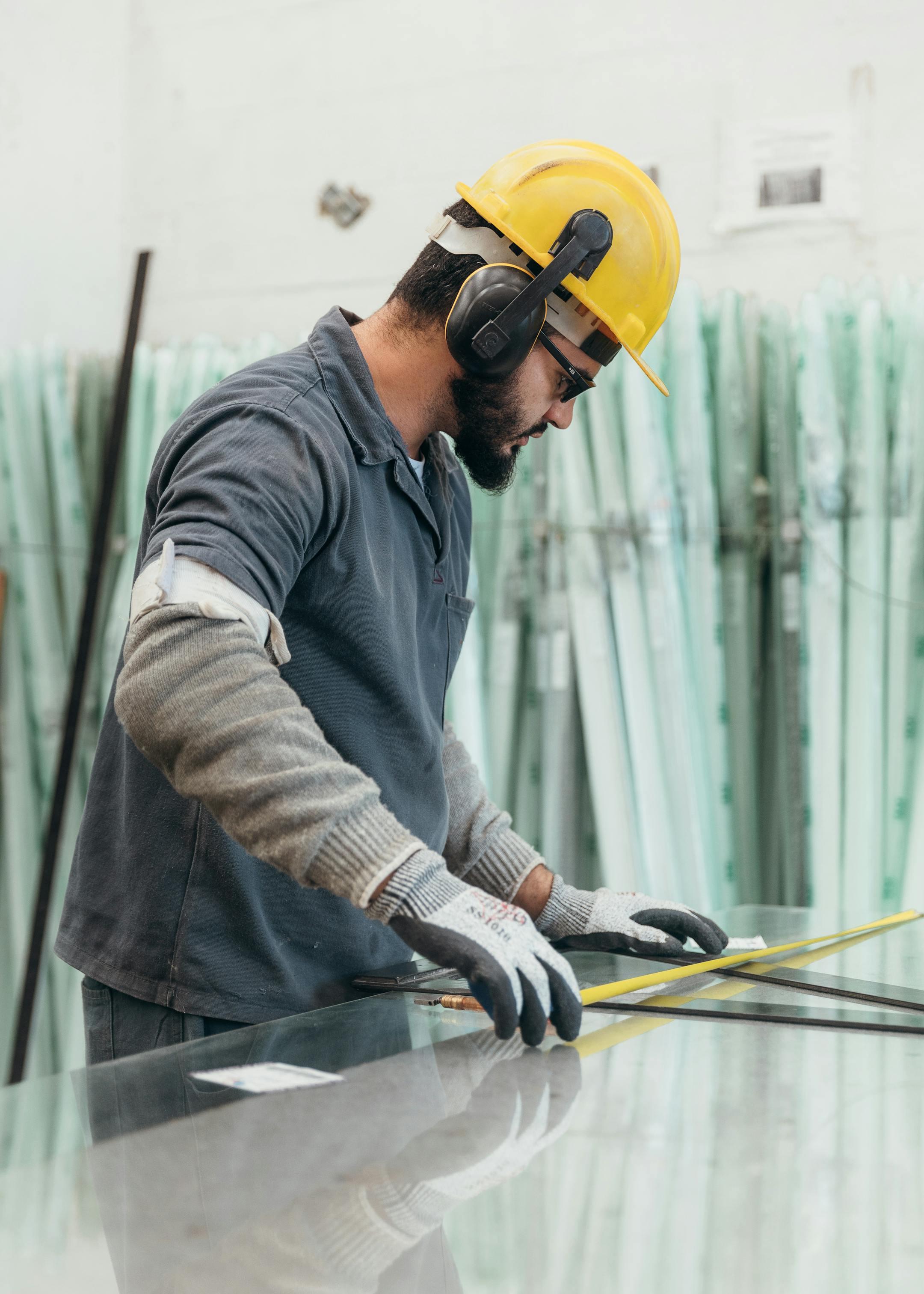
Frameless shower glass is one of the most requested upgrades in bathroom remodels. It looks clean. It lets light move through the space. And it can make a small bathroom feel bigger.
But it’s not the right fit for every home or budget.
If you’re thinking about installing shower glass, here’s what you need to know before you decide.
Frameless shower glass uses thick, tempered glass panels without bulky metal frames. You’ll still see small hinges or clips, but the structure relies on the strength of the glass itself.
Most panels are 3/8" to 1/2" thick. That thickness matters. It keeps the glass stable without a frame.
You’ll often see frameless shower glass in walk-in showers, corner units, and custom layouts.
Frameless shower glass removes visual barriers. There’s no heavy metal frame breaking up the space. That helps your bathroom feel open, even if it’s small.
If you have nice tile work, this also keeps it visible.
Traditional framed shower doors trap water and soap scum in the metal tracks. Frameless shower glass has fewer places for buildup.
You still need to clean it. But the job is simpler and faster.
Frameless shower glass has a clean look that fits most styles. It works in modern homes, but also blends well with classic designs.
And because it’s simple, it doesn’t go out of style quickly.
Most frameless shower glass installations are made to fit your exact space. That means better alignment, fewer gaps, and a more polished result.
This also helps in older homes where walls aren’t perfectly straight.
Buyers notice bathroom upgrades. A frameless shower glass setup often signals a well-maintained, updated home.
It’s not the only factor in resale value, but it helps.
Frameless shower glass costs more than framed options. The thicker glass and custom work raise the price.
Installation also requires skill. That adds to labor costs.
This is not a DIY project. The glass is heavy and must be installed correctly.
If it’s not level or sealed well, you’ll deal with leaks or long-term issues.
Because there’s no frame, all the attention goes to the glass. That means water spots and streaks are more visible.
If you want it to look clear all the time, you’ll need to wipe it down regularly.
Frameless designs often have small gaps around the edges. That helps the door open smoothly, but it also means water can escape if the shower isn’t designed well.
A good layout and proper slope fix most of this.
Some spaces work better with framed or semi-frameless shower glass. For example, if your bathroom has uneven walls or limited support points, frameless may not be the best option.
A professional installer can guide you here.
The price of shower glass varies. Here’s what affects the total cost.
Thicker glass costs more. Most frameless shower glass uses 3/8" or 1/2" panels.
Thicker glass feels more solid and lasts longer, but it raises the price.
Larger showers need more glass. That increases both material and installation costs.
Custom shapes or oversized panels also add to the total.
Hinges, handles, and clips come in different finishes and styles. Basic hardware costs less. Premium finishes cost more.
Simple choices keep your budget in check.
Custom shower glass costs more than standard sizes. But it fits better and looks cleaner.
If your space isn’t a perfect rectangle, custom is usually the better option.
A straightforward install costs less. But if your bathroom needs extra support, wall adjustments, or tile work, the price goes up.
Older homes often need more prep work.
Some homeowners add protective coatings to reduce water spots and buildup. This adds to the cost, but it cuts down on cleaning time.
If you’re still deciding, here’s a quick comparison:
Your choice depends on your budget, layout, and how you use your shower.
If you’re a contractor or remodeler, your clients care about timelines and results. Frameless shower glass works best when it’s measured and installed after tile is complete.
Working with a local supplier helps. You get faster turnaround times and fewer delays.
If you’re a homeowner, focus on function first. Think about how water flows, where the door opens, and how easy it is to clean.
Then think about style.
For many people, yes.
Frameless shower glass improves the look of your bathroom. It simplifies cleaning. And it fits modern design preferences.
But it’s not the cheapest option. And it requires proper planning.
If you want a long-term upgrade that feels solid and looks clean, it’s a strong choice.
Shower glass is more than a design detail. It affects how your bathroom works every day.
Frameless options offer clear benefits. But they come with higher costs and specific requirements.
The best results come from good measurements, quality materials, and experienced installation.
If you’re thinking about installing or upgrading your shower glass, talk to a local expert who can measure your space and explain your options clearly.
Whether you’re a homeowner or a contractor, working with a team that supplies and installs directly helps you stay on schedule and avoid surprises.
Reach out today to get a quote and see what works best for your space.

